
Rui Moura Coelho
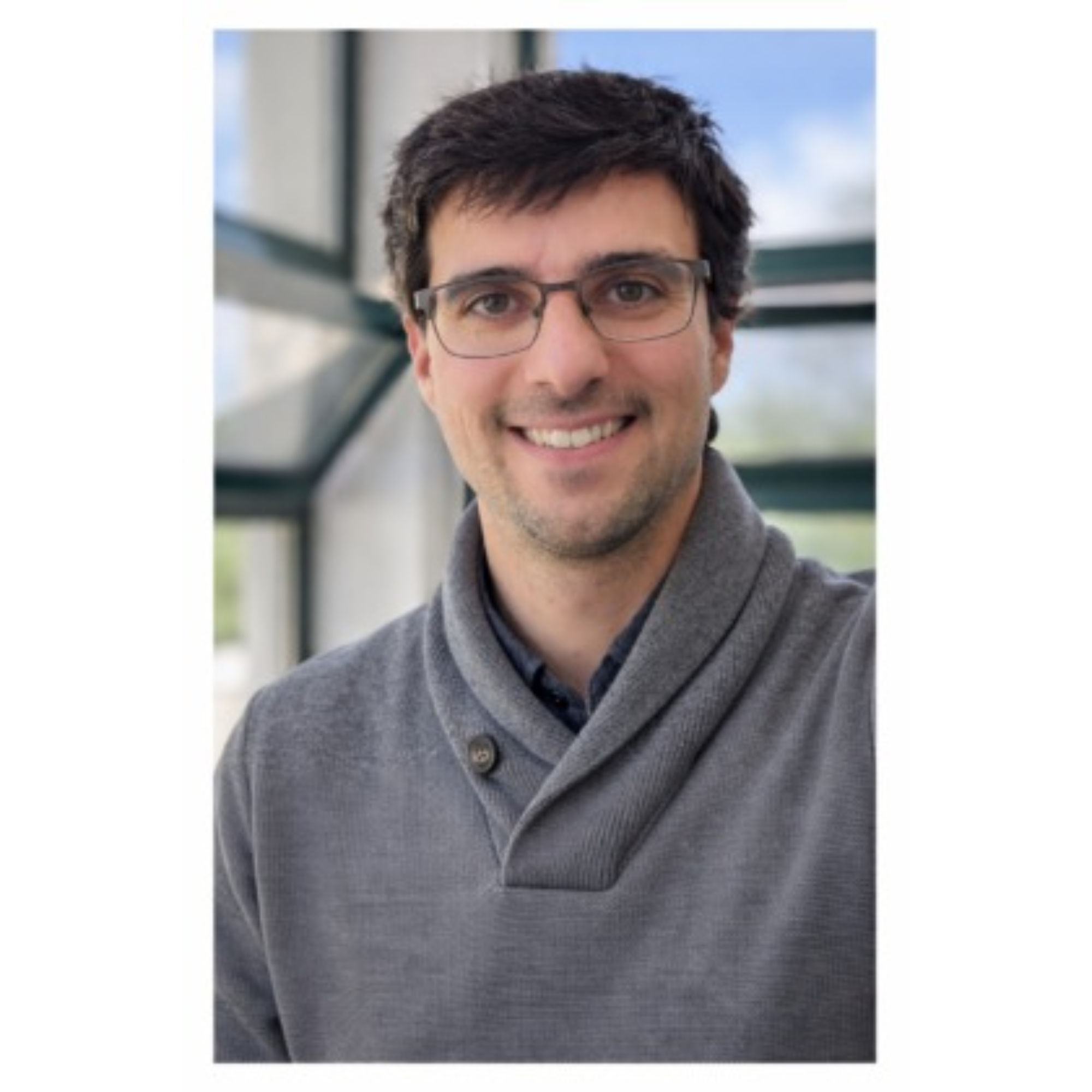
Prof. Rui Moura Coelho
University of Lisbon, Portugal
Rui Moura Coelho is an Assistant Professor in the Department of Mechanical Engineering at Instituto Superior Técnico, University of Lisbon, specializing in Control, Automation, and Industrial Informatics. He is also a researcher at the Human Robotics Laboratory at IST. He received his PhD in Mechanical Engineering from Instituto Superior Técnico in 2021 and holds a Master’s degree in Electrical Engineering jointly associated with IST and the KTH Royal Institute of Technology in Sweden. His research interests include biomechanics, control systems, mobile robotics, and human–robot interaction. These areas are applied across biomedical engineering, particularly in surgical and assistive robotics, as well as in industrial and agricultural applications.
Keynote Title: Physical AI for Autonomous and Sustainable Agricultural Robotics
Keynote Abstract:
The global agricultural sector is facing unprecedented challenges that threaten food security for a rapidly growing population. Climate change, global warming, and the long-term consequences of unsustainable agricultural practices have intensified water scarcity, soil degradation, and ecosystem vulnerability worldwide.
Precision agriculture seeks to address these challenges by managing resources such as water, fertilizers, and other inputs more efficiently to improve crop productivity while maintaining economic and environmental sustainability. Significant progress has been achieved through the integration of data from multiple sensing platforms, including satellite imagery, fixed Internet of Things sensors, and mobile sensing systems deployed on unmanned aerial vehicles and unmanned ground vehicles.
Agriculture 5.0 represents the next stage of agricultural transformation. It extends precision agriculture by combining robotics, artificial intelligence, and human–machine collaboration. Its objective is to move beyond conventional field-level monitoring toward targeted, plant-level intervention using environmentally responsible practices. This approach can strengthen ecosystem resilience, reduce environmental impact, optimize resource utilization, and improve soil health.
However, many current developments in agricultural robotics remain focused on automating existing farming practices rather than enabling a fundamental robotic transformation of agriculture. True transformation requires new farming paradigms, intelligent machine designs, and autonomous systems that are specifically developed for sustainable and agroecological production.
This presentation examines emerging trends and unresolved challenges in agricultural robotics. It also explores how Physical AI, through embodied perception, intelligent decision-making, and purposeful action, can support the development of autonomous agroecological robots capable of operating safely, efficiently, and robustly in complex and unstructured agricultural environments.